
Trinity Bass System

Unlock the beauty
of the double bass.

An integrated playing system designed by a principal double bassist. Trinity takes the weight of compensation off the musician, so every bit of attention can go where it belongs: sound, expression and music.

Supported and validated by

  • Proof of Concept programme
  • Entrepreneurship training
  • Finalist 2026
  • Product engineering partner
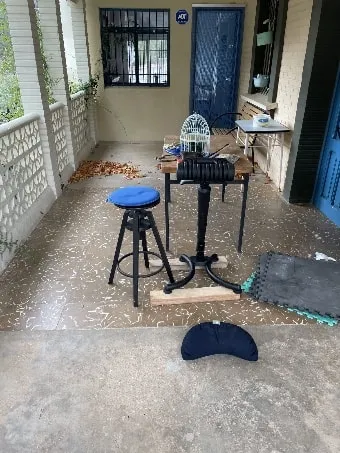
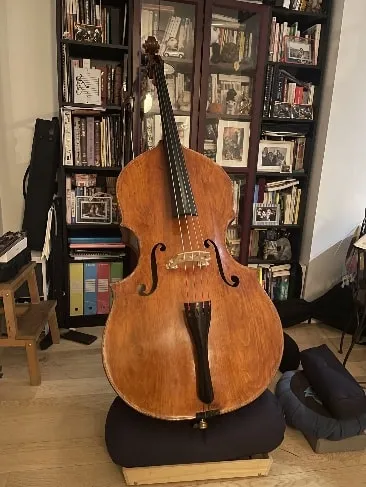
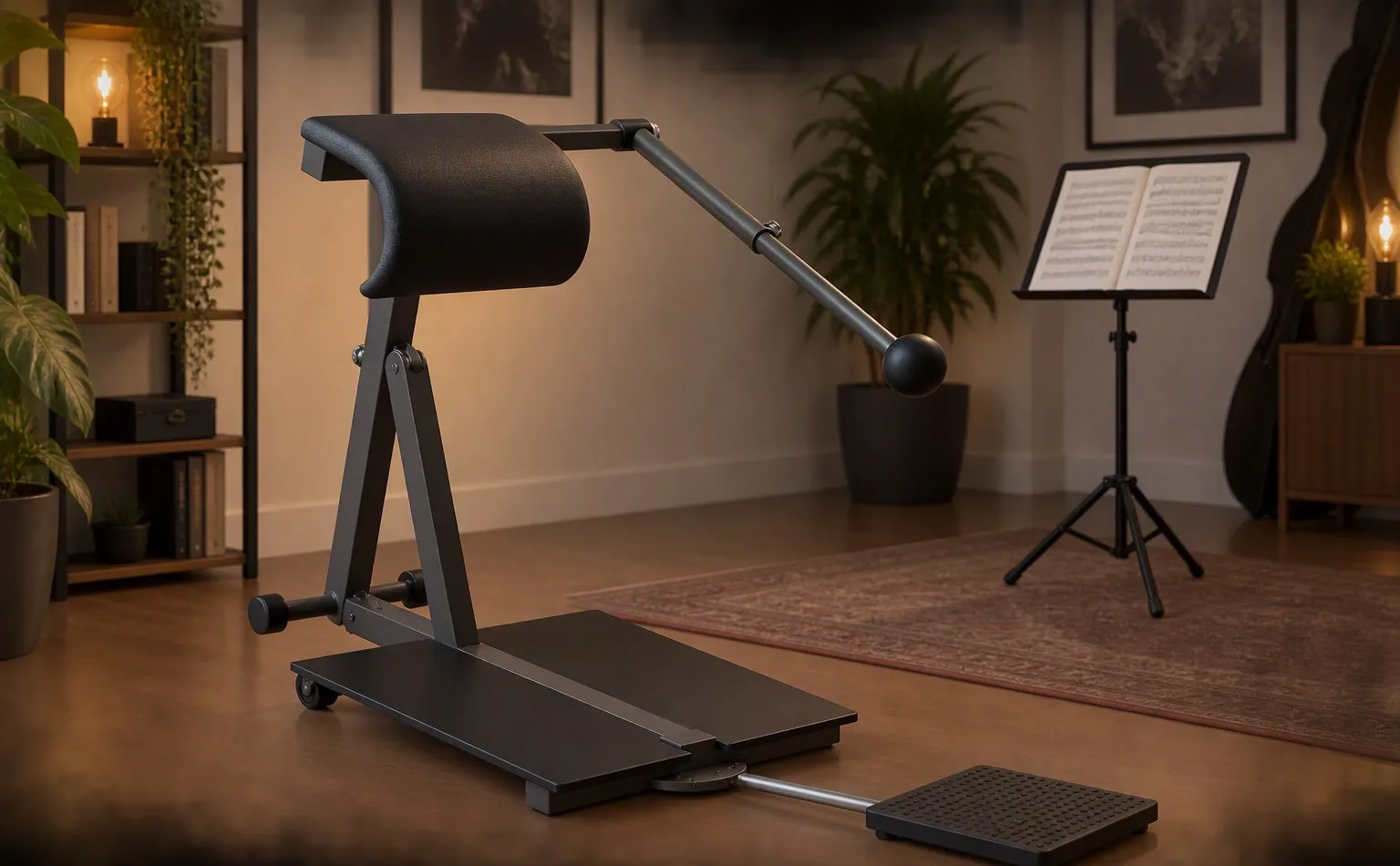
Trinity playing system in a music room, next to a music stand
The problem

88.3%

of double bass players report discomfort while playing.

2025 survey of 205 double bass players. Only 11.7% described playing as comfortable.

The body does not fail. It adapts.

For generations, double bass players have adapted their bodies to an instrument that never truly adapted to them. The issue is often seen as individual: technique, flexibility, strength or practice habits.

When nearly nine out of ten musicians report discomfort, it is no longer an individual problem. It is structural. Traditional setups rarely satisfy posture, balance, stability, technical freedom and expressive control at the same time, so the body compensates, at a physical, cognitive and musical cost.

Read the full analysis

How a traditional chair builds the compensation

  1. Pelvic obliquityThe left leg rises to hold the bass, and one side of the pelvis rises with it.
  2. Shoulder obliquityThe shoulders follow the pelvis. The trunk leans to one side.
  3. Spinal rotationTo keep playing, the spine bends and rotates at the same time.
  4. Front–back asymmetryOne shoulder and hip move forward, the other side backward.
  5. FixationThe chair holds that asymmetry for hours a day, for decades.

“I can play. It just takes more effort than it should.”

The system

More than a chair.

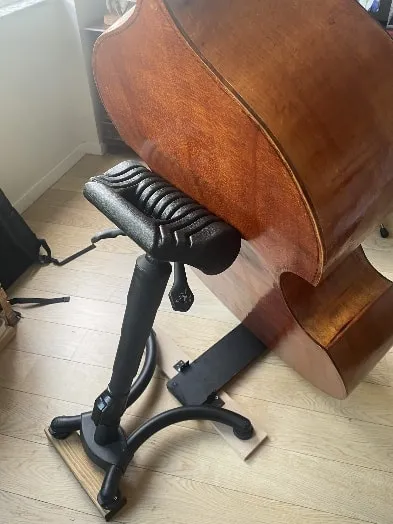
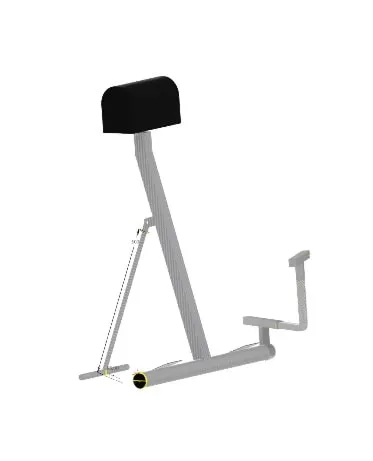
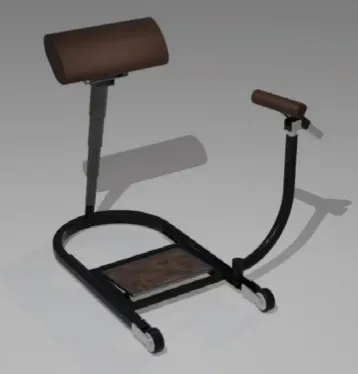
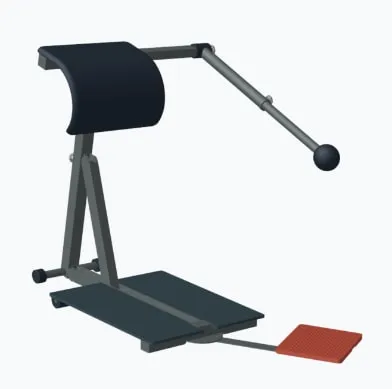
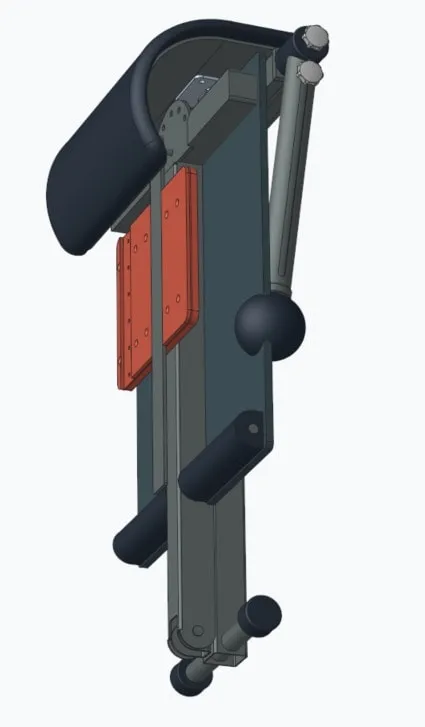
Trinity is not a chair. It is an integrated playing system that reorganises the relationship between the musician, the instrument and gravity itself. Four elements, one biomechanical system.

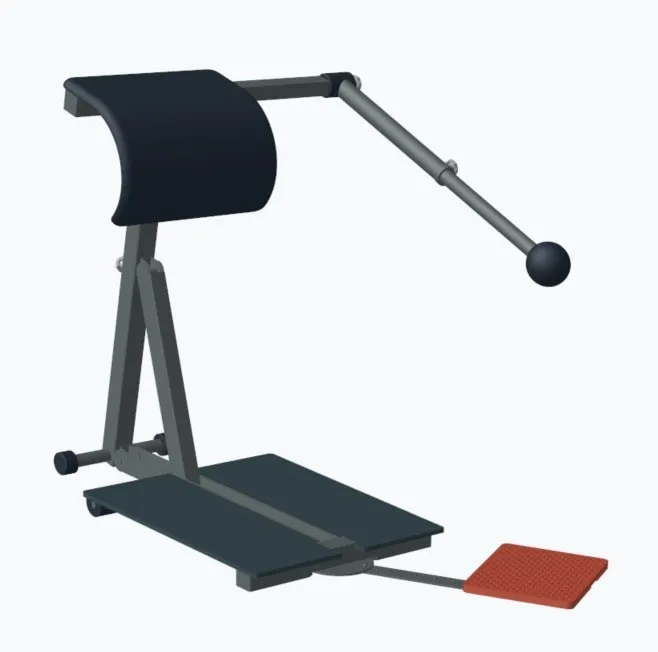
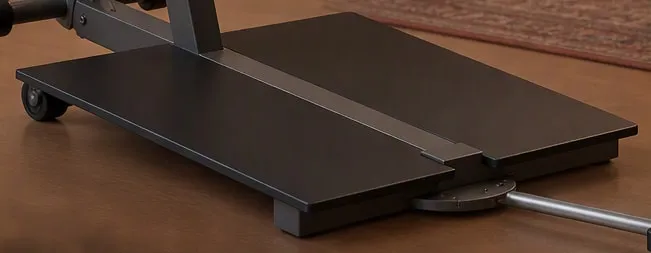
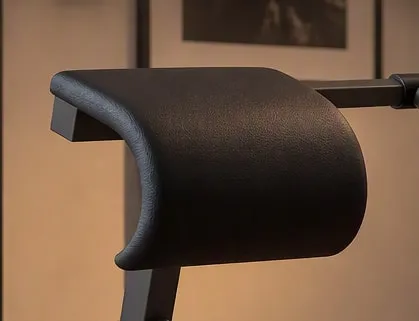
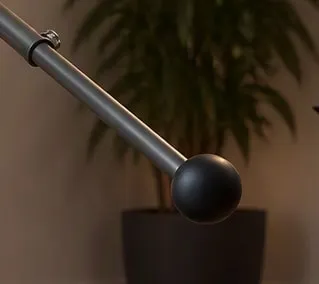
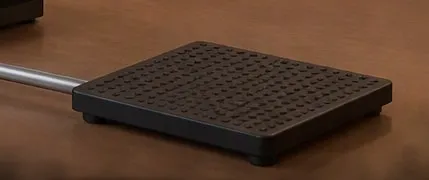
Render of the Trinity system: saddle, support arm with a ball end, foot platform and anti-slip pad
  1. The stabilising platform

    Stability through body weight

    A platform for the feet turns your own weight into stability. Sitting, leaning and standing support stay available at any moment, without muscular effort.

  2. The ergonomic saddle

    Support without immobilisation

    Replaces the traditional seat. Move fluidly between sitting and leaning, and let your posture follow the music instead of a fixed position.

  3. The instrument support arm

    Sharing the weight

    The most original part of the system. It shares part of the weight of the bass and holds the playing angle you choose, so your left leg no longer has to, and the instrument resonates more freely.

  4. The integrated anti-slip system

    Stability without dependency

    Anti-slip control is built into the system. The endpin stays put without external stoppers or floor accessories.

“Whenever a mechanical problem can be solved mechanically, it should not be solved biologically.”

Explore how it works
How it works

Stabilise the musician first.

Traditional setups support the instrument and leave everything else to the body. Trinity reverses this logic: it creates stability around the body, and the instrument becomes easier to control.

Traditional approach

  1. Instrument instability
  2. Body compensation
  3. Physical load
  4. Mental load
  5. Fatigue

Trinity approach

  1. Musician stability
  2. Instrument stability
  3. Reduced compensation
  4. Greater availability
  5. Better music

Traditional systems ask the body to create stability.Trinity creates stability so the body can focus on music.

What makes Trinity different

One system instead of six compromises.

A comfortable chair improves comfort. An endpin stopper improves stability. A footrest changes the instrument’s position. Each solves one problem and forces you to choose. Trinity brings them together.

  • Stability

    Your body weight anchors the whole system.

  • Ergonomic support

    A more organised pelvis, spine and upper body.

  • Instrument anchoring

    Integrated anti-slip control for the endpin.

  • Dynamic posture

    Sit, lean or stand supported, and move between them.

  • Weight sharing

    The support arm carries part of the bass.

  • Transportability

    Folds into a compact form for transport and storage.

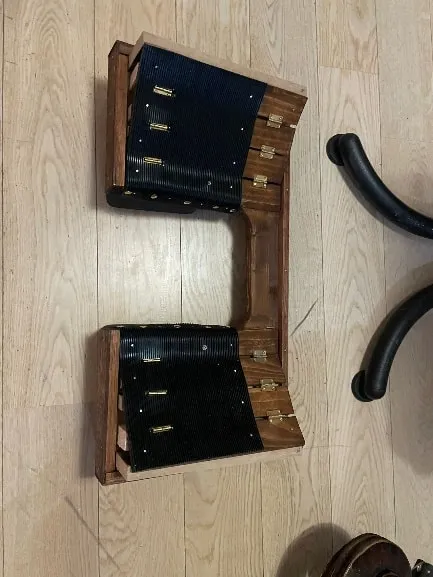
Trinity folded into its compact transport configuration
Folds away.Trinity folds into a compact configuration, making transport and storage far more practical than traditional performance setups.
Benefits for the musician

Nine reasons it matters.

  1. More sustainable posture

    A more balanced body organisation that helps reduce strain in long rehearsals and concerts.

  2. Less physical and cognitive effort

    Less muscular and neurological work just to hold the playing position.

  3. Greater mental availability

    Less tension frees attention for listening, interpretation and expression.

  4. Dynamic freedom of movement

    Seated, leaning and standing-supported positions, all available at once.

  5. Improved technical control

    A more reliable relationship with the instrument in complex passages.

  6. Better instrument resonance

    Less body pressure on the bass, so it vibrates more freely.

  7. Reduced performance stress

    A predictable, stable instrument builds confidence on stage.

  8. Easier access to the full register

    Continuous adaptability instead of the limits of a fixed position.

  9. Long-term sustainability

    Built to support endurance and well-being over years of playing.

The ideal outcome is not “I feel comfortable.” It is:

“I am no longer thinking about the chair, the posture or the instrument. I am thinking about music.”

For orchestras

More consistency and endurance through long programmes, less disruption from fatigue, and more attention for collective listening. Healthier musicians create more resilient ensembles.

For audiences

When musicians spend less attention on compensation and more on expression, audiences receive greater presence, precision and emotional communication.

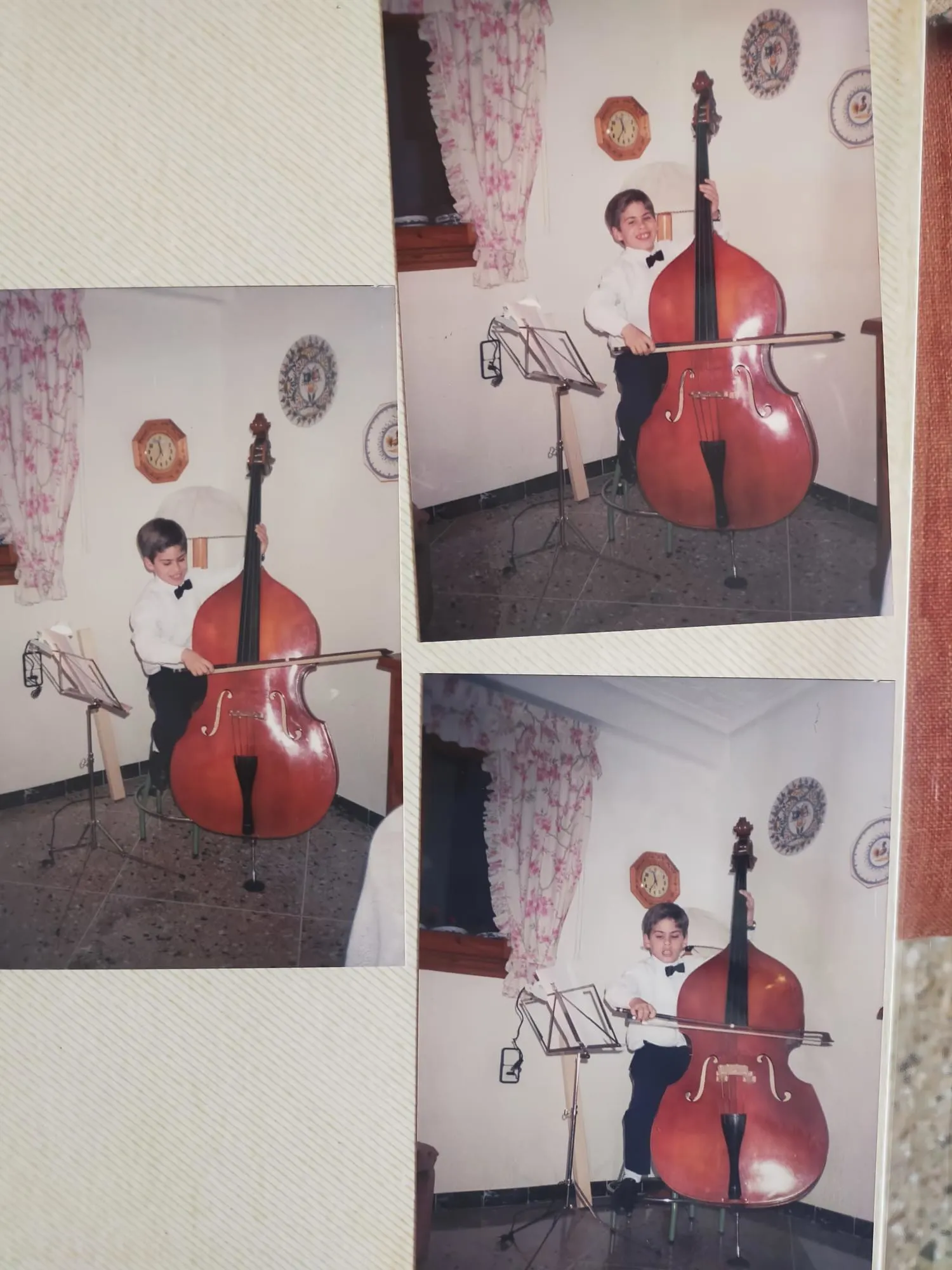
Old photographs of José as a child playing the double bass at home
The story

A promise made in this room.

At seven years old, in the room where he first played the double bass, José made himself a promise: one day he would help people recognise the beauty of this instrument that lives in the shadows.

Decades later, as a professional, the price of that promise was pain. Instead of accepting it as part of the job, he asked a different question: what if the problem wasn’t the musician, but the system itself?

Sketches became prototypes. Prototypes became failures. Failures became lessons. That journey became Trinity.

“The harmony of the body is reflected in the beauty of the music.”

years in orchestras
20+
of sketches
100s
first homemade prototype
2023
Read the full story
Roadmap

From question to prototype.

  1. 2023
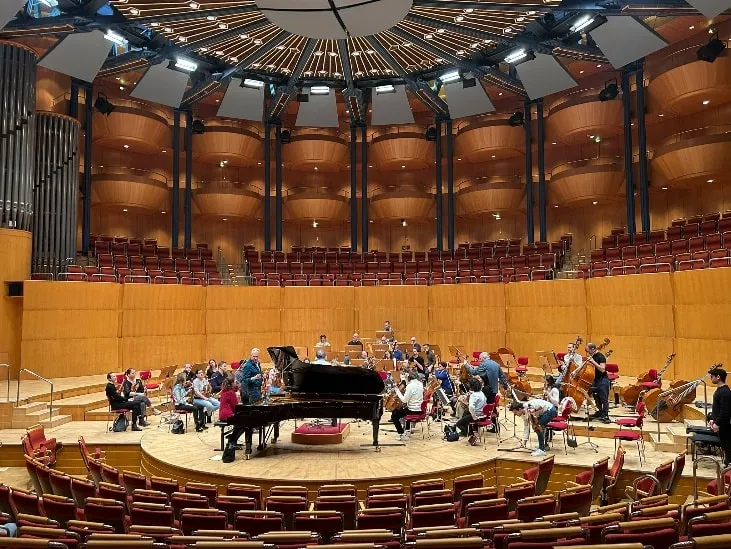
    Auditorium of La Monnaie opera house in Brussels

    The idea

    Born while José was Tutti Double Bass at La Monnaie / De Munt Opera, Brussels.

  2. 2023
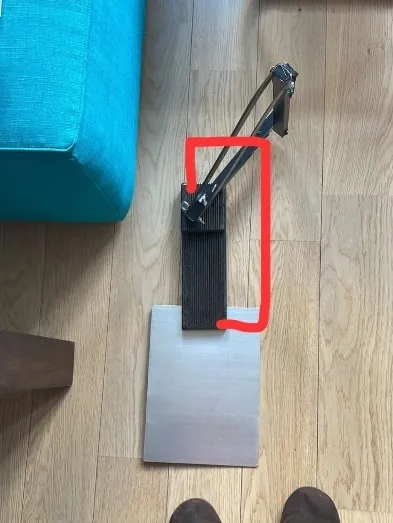
    The first homemade prototype on a wooden floor, outlined in red

    First homemade prototype

    A rough first version built at home to test the principle.

  3. 2023
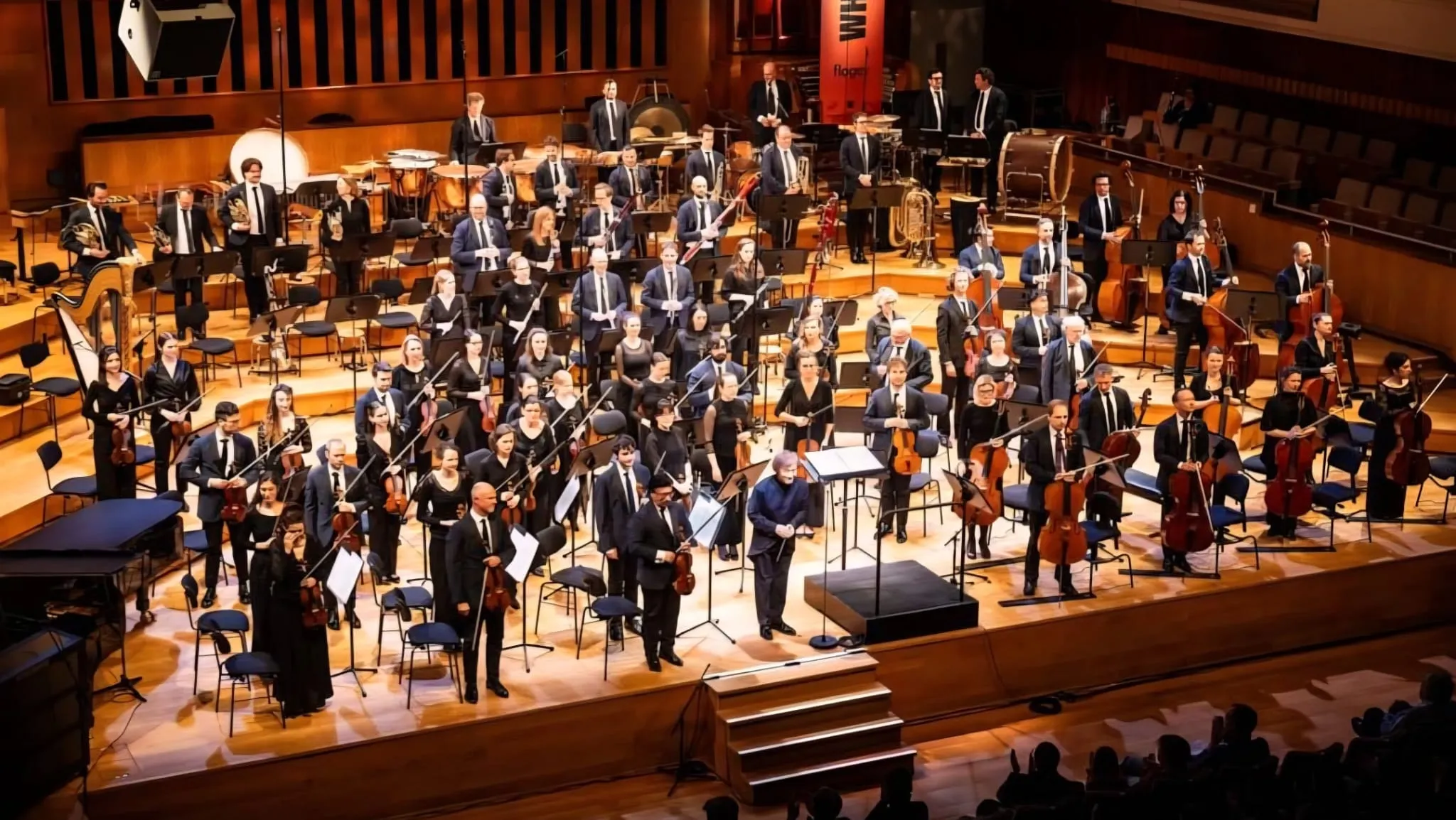
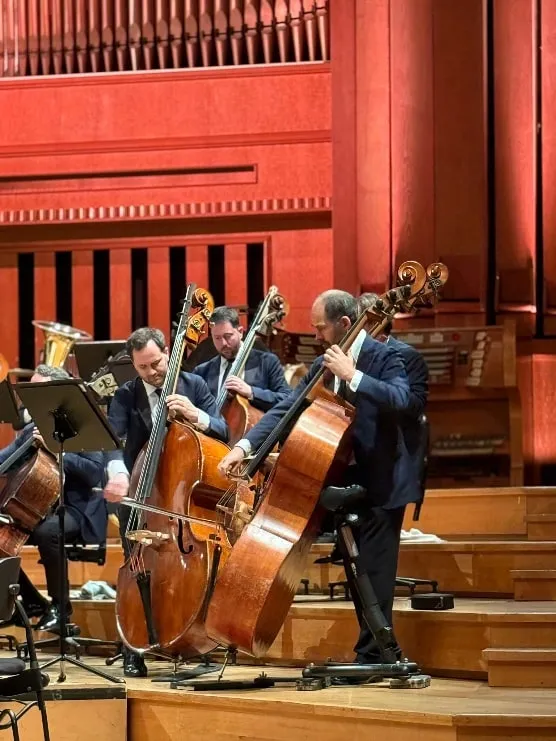
    The Brussels Philharmonic on stage

    Principal Double Bass

    José is appointed Principal Double Bass of the Brussels Philharmonic.

  4. 2025

    KU Leuven

    Entrepreneurship training at KU Leuven.

  5. 2025
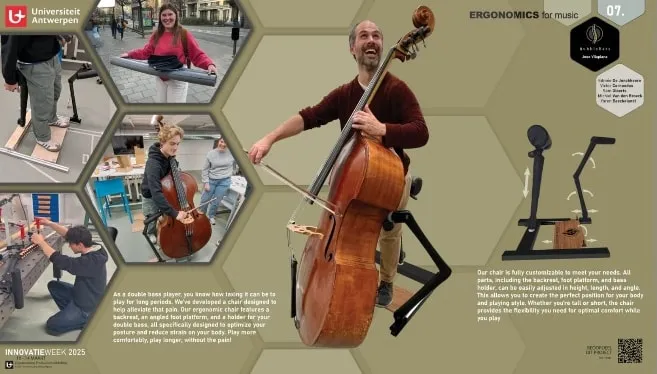
    University of Antwerp innovation week poster showing the ergonomic chair

    Proof of concept

    Proof of Concept programme at the University of Antwerp.

  6. 2025

    Fosfor partnership

    Partnership with Fosfor, creative product engineering.

  7. 2026
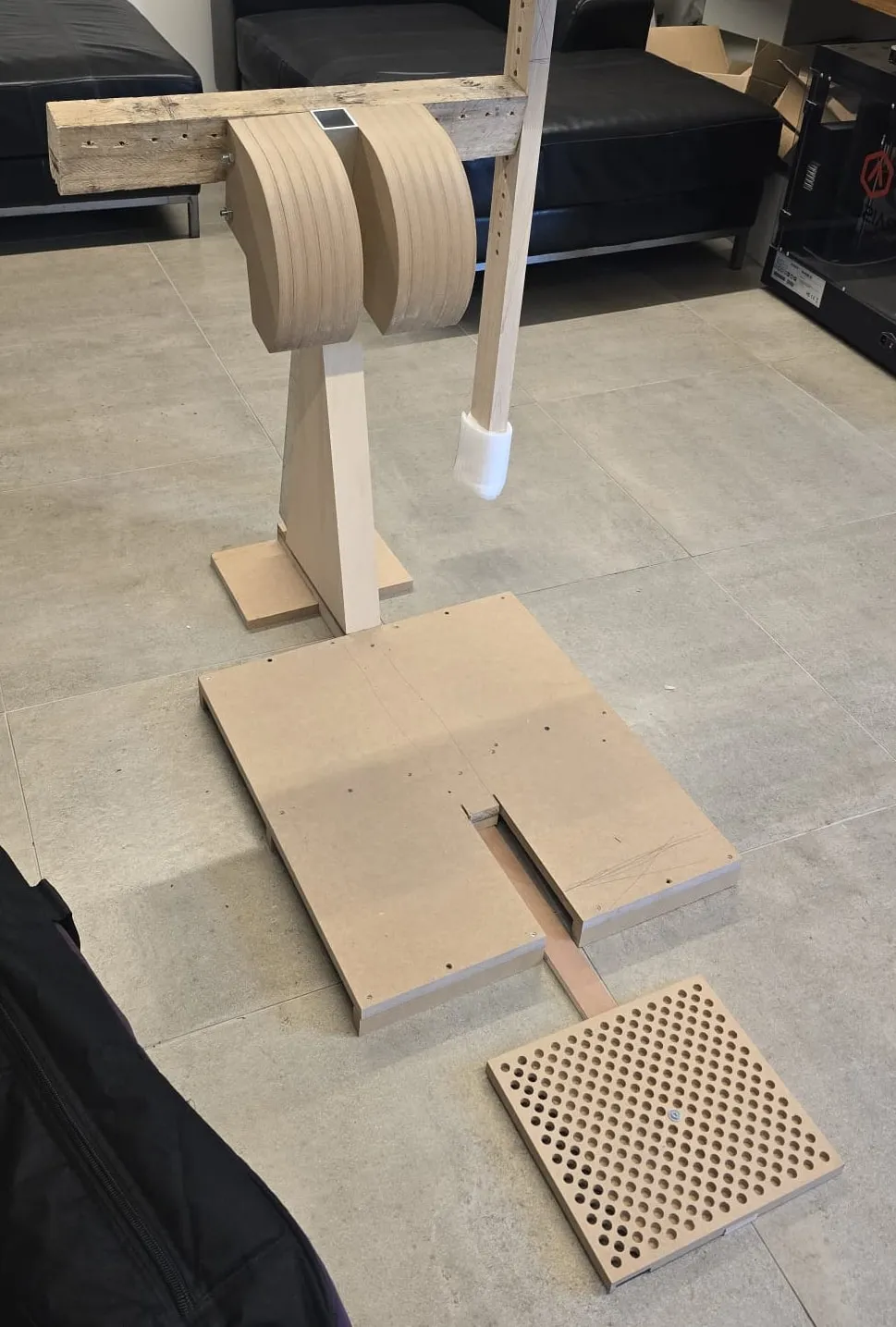
    Full-scale wooden prototype in a workshop

    Full-scale wooden prototype

    The first full-scale prototype, built in wood.

  8. 2026
    José presenting Trinity on stage at the KICK Challenge

    KICK Challenge finalist

    Finalist of the KICK Challenge innovation competition at KU Leuven.

  9. Now
    Render of the Trinity prototype
    In progress

    First functional prototype

    Development of the first fully functional Trinity prototype.

  10. Soon
    Next

    First batch

    A limited first run of 100 units. Waitlist members hear about it first.

  11. Later
    Next

    Shipping across Europe

    Direct delivery to players, orchestras and conservatories.

What began as a personal struggle is gradually becoming a solution for an entire community of double bass players.

Building Trinity

Hundreds of sketches. Dozens of concepts. One mission.

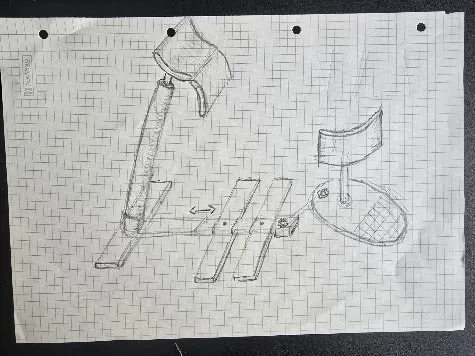
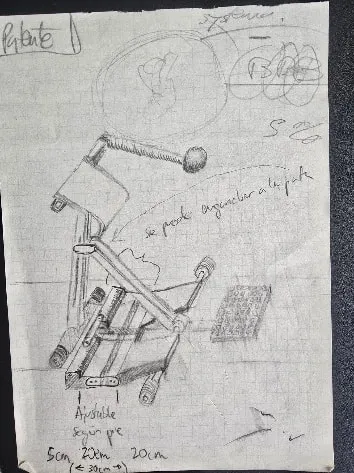
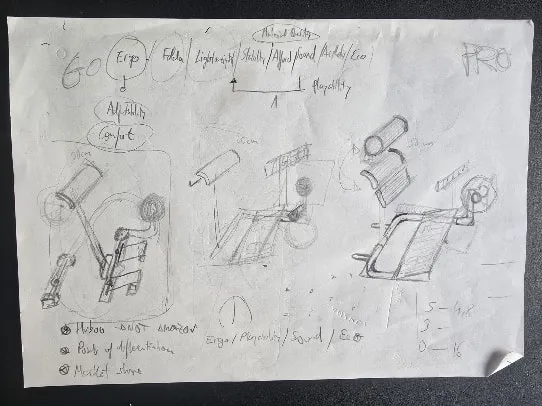
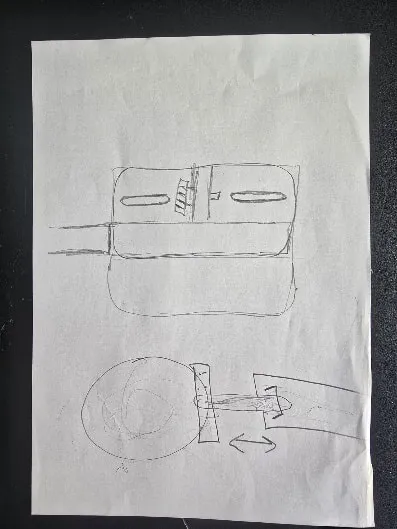
Trinity was not born from a single breakthrough. Ideas became sketches, sketches became homemade prototypes, prototypes became designs, and every version was tested where music happens: in real rehearsals and concerts.

See the whole journey
  1. Hand-drawn design sketch 1
    Sketches
  2. Hand-drawn design sketch 2
    Sketches
  3. Hand-drawn design sketch 3
    Sketches
  4. Hand-drawn design sketch 4
    Sketches
  5. Homemade prototype 5
    Homemade prototypes
  6. Homemade prototype 6
    Homemade prototypes
  7. Homemade prototype 7
    Homemade prototypes
  8. Homemade prototype 8
    Homemade prototypes
  9. Homemade prototype 9
    Homemade prototypes
  10. Design render of a Trinity version 10
    Design
  11. Design render of a Trinity version 11
    Design
  12. Design render of a Trinity version 12
    Design
  13. José playing a Trinity prototype with the orchestra 13
    In concert
  14. José playing a Trinity prototype with the orchestra 14
    In concert
  15. José playing a Trinity prototype with the orchestra 15
    In concert

Ideas become sketches. Sketches become prototypes. Prototypes become questions. Concerts provide the answers.

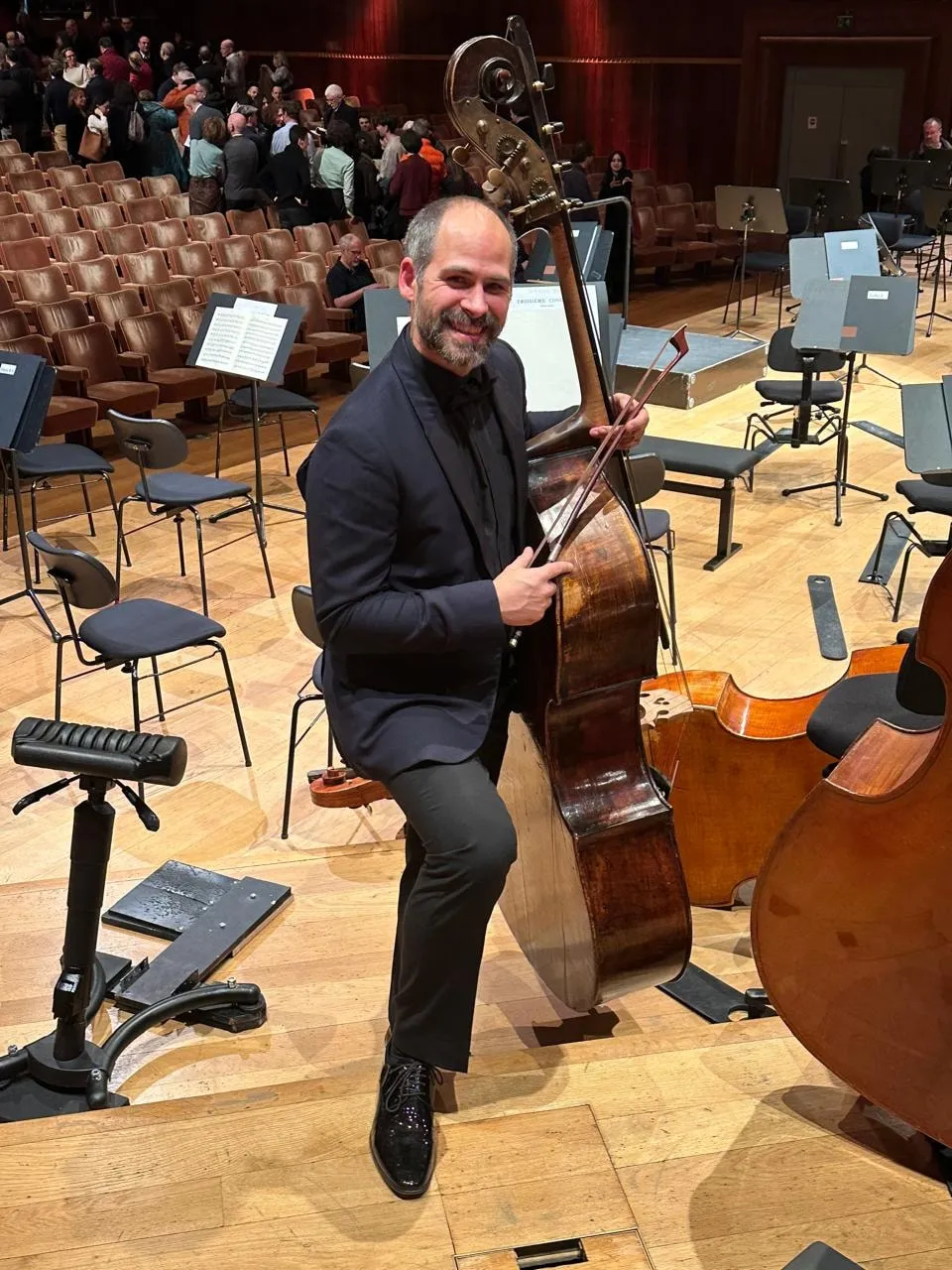
José Vilaplana smiling with his double bass on the stage of a concert hall
The founder

Designed from lived experience.

José Vilaplana Herruzo

Founder · Principal Double Bass, Brussels Philharmonic

Trinity was not developed by a furniture company. It was developed by a professional double bass player with more than twenty years of experience in orchestras, teaching and performance.

Like many bassists, José experienced first-hand the tension, fatigue and pain of traditional setups. Years of work with the instrument, together with physiotherapists, ergonomics specialists and innovators, revealed a pattern: the problem was the relationship between the musician, the instrument and the playing setup.

Trajectory

  • Brussels PhilharmonicPrincipal Double Bass
  • La Monnaie / De MuntWhere the idea was born
  • KU LeuvenEntrepreneurship · KICK finalist
  • University of AntwerpProof of concept
  • FosforProduct engineering partner
More about José
FAQ

Frequently asked questions

About Trinity

Is Trinity a chair?

No. Trinity is an integrated ergonomic playing system for double bass that combines posture support, musician stabilisation, instrument support, anti-slip control and a transport-efficient design in a single system.

Does Trinity force me into a specific posture?

No. One of its core principles is that there is no single ideal playing position for every musical situation. You can move naturally between seated, supported and standing positions throughout the performance.

Why stabilise the musician instead of the instrument?

Traditional setups rely on the musician’s body to create stability. Trinity reverses this logic: by stabilising the musician first, the instrument becomes easier to control with less physical and cognitive effort.

Will I still feel connected to the instrument?

Yes. Trinity does not isolate the double bass from the player. The support arm shares part of the weight while preserving the physical connection between musician and bass. The goal is support, not separation.

Does the support arm hold the entire weight of the instrument?

No. It shares part of the weight and orientation. The instrument remains connected to the player, fully playable and responsive.

Can Trinity improve instrument resonance?

Potentially, yes. Many setups rely on continuous pressure from the left leg to stabilise the bass. By transferring part of that work to the system, Trinity may reduce damping and let the bass resonate more freely.

Can I still move freely while playing?

Yes. Movement is a central design principle. The aim is not to hold the musician still, but to provide a stable foundation from which movement can happen more efficiently.

Why not simply use an ergonomic chair?

An ergonomic chair may improve comfort without addressing the interaction between musician, instrument and support. Trinity treats them as a single biomechanical system.

Is Trinity only for professional musicians?

No. Its principles are relevant to students, teachers, amateurs and professionals alike: anyone who spends significant time with the double bass.

Is Trinity designed to prevent injuries?

No product can guarantee the prevention of injuries, and Trinity is not a medical device. Its purpose is to reduce unnecessary physical and cognitive compensation by improving the relationship between musician, instrument and playing setup.

Does Trinity replace good technique?

No. Technique, practice and artistic development remain essential. Trinity supports the conditions in which they can flourish.

Is Trinity foldable?

Yes. It folds into a compact configuration, making transport and storage much more practical than many traditional performance setups.

Why does Trinity include a foot platform?

It is not just a footrest: it is the stabilising foundation of the whole system. Transferring body weight through the feet into the structure keeps you organised while you move between playing positions.

Get in touch

Let’s talk.

Questions, ideas, or would you like to try Trinity? Write to us: we read every message.

Write to us

Or join the waitlist

Launch news, early access to the first batch and the chance to test a prototype.

The waitlist opens very soon. Check back in a few days!